The Executive Playbook for Building, Onboarding, and Leading High-Performance Retail Teams
Proven leadership frameworks for recruiting top sales talent, executing structured staff onboarding, enforcing POS operational compliance, and inspiring a target-crushing retail sales culture.

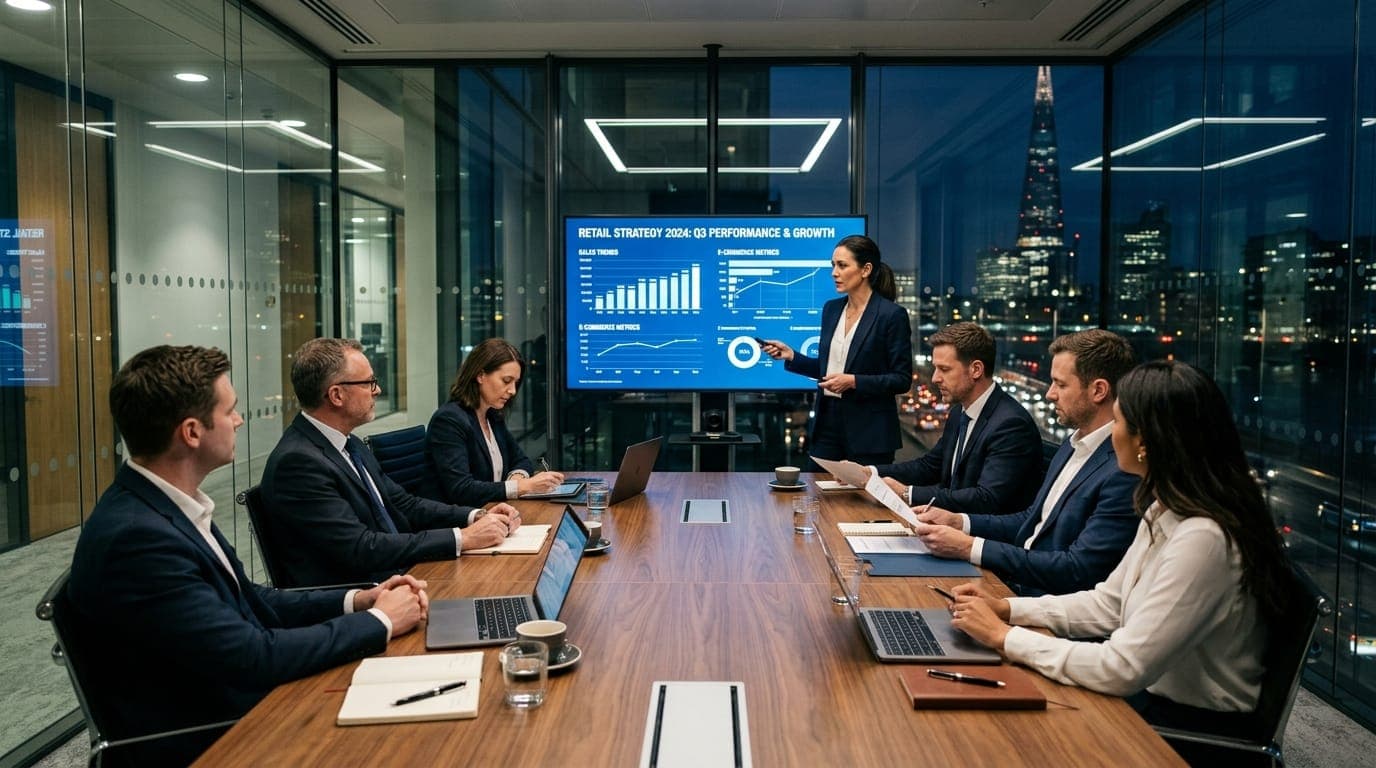
The Executive Playbook for Building, Onboarding, and Leading High-Performance Retail Teams
In multi-store retail management, products and visual displays setting the stage are only half the battle. The ultimate factor determining whether a retail store meets its monthly targets or falls short is the quality, motivation, and discipline of its front-line sales team.
Managing retail employees across multiple geographic locations presents unique challenges: high staff turnover, inconsistent customer service standards, and operational slippage in daily POS cash reconciliations.
This playbook breaks down the exact leadership frameworks used by seasoned executives to recruit, train, and retain a high-performing commercial workforce.
1. Strategic Hiring: Recruiting for Attitude and Discipline
Skill in handling point-of-sale (POS) software can be taught in two hours, but customer empathy, punctuality, and drive cannot. When interviewing retail sales candidates, shift the focus from pure experience to behavioral competencies.
Key Behavioral Attributes to Screen For:
- Active Listening & Empathy: Does the candidate ask clarifying questions before jumping to answers?
- Resilience Under Pressure: How do they handle difficult customers or chaotic holiday rush hours?
- Team-Oriented Mindset: Retail is a collective sport; high individual performers who create toxic floor dynamics erode overall store productivity.
2. The 7-Day Structured Retail Onboarding Program
Throwing a newly hired sales employee onto the retail floor without structured training guarantees mistakes, poor customer service, and early employee churn.
Implement a mandatory 7-Day Onboarding System:
Day 1–2: Culture, Policy & POS Mastery
- Deep dive into company values, attendance rules, and dress codes.
- Hands-on POS terminal training: processing sales, returns, discounts, and gift cards.
Day 3–4: Product Knowledge & Stockroom Systems
- Memorizing top 20 core product SKUs, features, and benefits.
- Learning stockroom indexing and fast size retrieval procedures.
Day 5–7: Shadowing & Floor Practice
- Shadowing a senior sales mentor during real customer interactions.
- Practicing active upselling scripts under supervisor feedback.
3. Establishing Clear KPIs and Daily Accountability
Sales teams thrive when expectations are transparent and measured continuously. Every retail employee should know their numbers in real-time.
Essential Individual Metrics:
The Power of Daily Morning Huddles
Conduct a brief 10-minute morning briefing before unlocking the doors:
- Celebrate top performers from the previous day.
- Announce daily targets and specific promotional focus items.
- Run a 2-minute quick roleplay on handling customer objections.
4. Building a High-Trust, Incentivized Culture
Financial incentives drive results, but recognition and respect build long-term loyalty.
- Transparent Commission Structures: Ensure commission rules are simple, clear, and paid on time.
- Employee of the Month Recognition: Publicly reward top performers across the retail network to foster healthy competition.
- Clear Career Paths: Show retail associates how exemplary performance leads to Store Supervisor, Assistant Manager, and Area Manager promotions.
5. Conclusion
Building a high-performance retail culture is not an overnight event; it is the compound result of clear hiring, structured onboarding, rigorous operational standards, and compassionate leadership.
When retail leaders invest in their staff, the results reflect directly on the bottom line.